For anyone who follows this blog, you may have noticed the lack of activity for more than a year. This was not due to inactivity on my side, but rather too much activity. I will hopefully catch up on everything from my Drakensberg Grand Traverse last December to my four and a half months in South America earlier this year – but for now, here’s something a bit more recent.
My plan for this year had always included an extended period in South America, followed by a few months in Nepal. Upon returning to South Africa, a number of factors changed, and I ended up having to cancel my flight to Nepal at short notice. By the time all was in order for me to travel again, it actually made more sense to return to South America. So five weeks after taking the flight from São Paulo to Johannesburg, I found myself on a flight from Johannesburg to São Paulo.
Prior to my first South America trip, I had never been far enough east or west in a single go for jetlag to be a major issue. I had tried the strategies such as staying awake if it is sunny outside or trying to sleep if its dark outside – and when I first landed in South America, the jetlag was absolutely terrible. This time I simply took the approach of trying to get as much sleep as I could when I could, which worked far better.
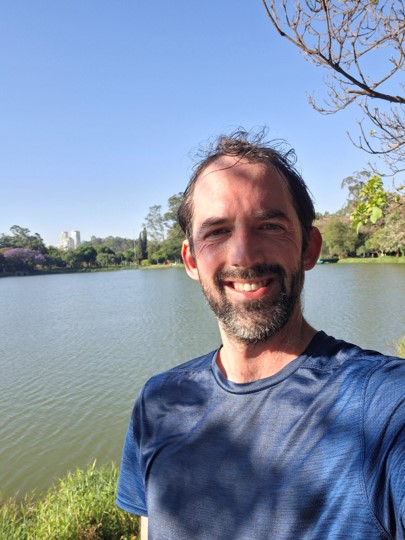
My flight arrived a bit early, and there was no traffic in getting to my accommodation, so I made my way directly to my favourite spot in the city – Ibirapuera Park – for a run. My legs had a strong disagreement with the idea, probably due to sitting in a plane for so long, so I called it a day early, and went back.
I had two nights in the city, so the following morning, I went back to the park and ran my second fastest 10km time – which I was very happy with.
I woke up on the morning of my flight to a notification that my flight to Buenos Aires would be two hours late, which meant I had enough time to go for yet another 5km run in my favourite park. São Paulo may not be my favourite city on the continent, but Ibirapuera Park is such an amazing spot to go running – tons of other runners, tared ground without cars and spaces separated for cyclists vs runners, as well as being mostly under trees – I have no notes on how to improve this park as a place to go for a run!

I eventually made my way to the airport. The flight was roughly two hours late, as they had already informed everyone. When I finally got to my window seat, I discovered it had no window – off to a great start!

Buenos Aires was a bit gloomy. I did try to go for a run, but gave up after 1km for a number of reasons. It remains one of my favourite cities on the continent, you can feel the history as you pass through the streets. Argentina definitely has the best food in South America, out of the eight countries I’ve visited so far.

My brother got me a ticket to watch the Saltzburg Chamber Soloists at Teatro Colon while I was in Buenos Aires – which was amazing. The photo above is before most people had arrived, due to the strict no-photos during a performance policy they have here.
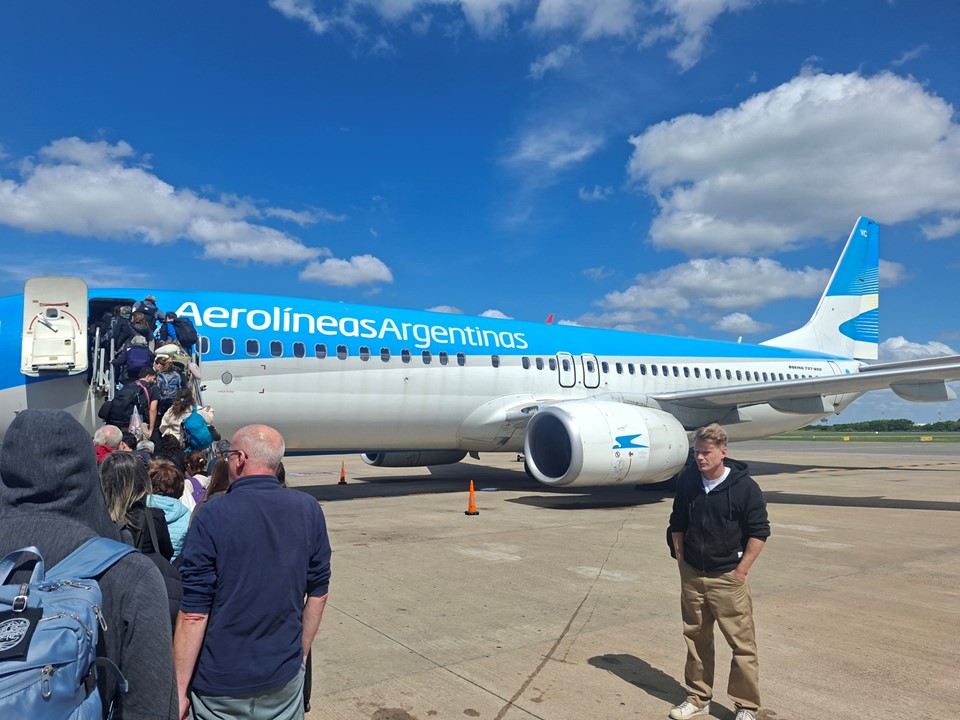
My flight from Buenos Aires to Ushuaia would be my first flight on Argentina’s national carrier. I don’t recall ever taking a domestic flight longer than two hours – so at over three hours it was easily my longest domestic flight. It’s easy to forget how enormous Argentina is.
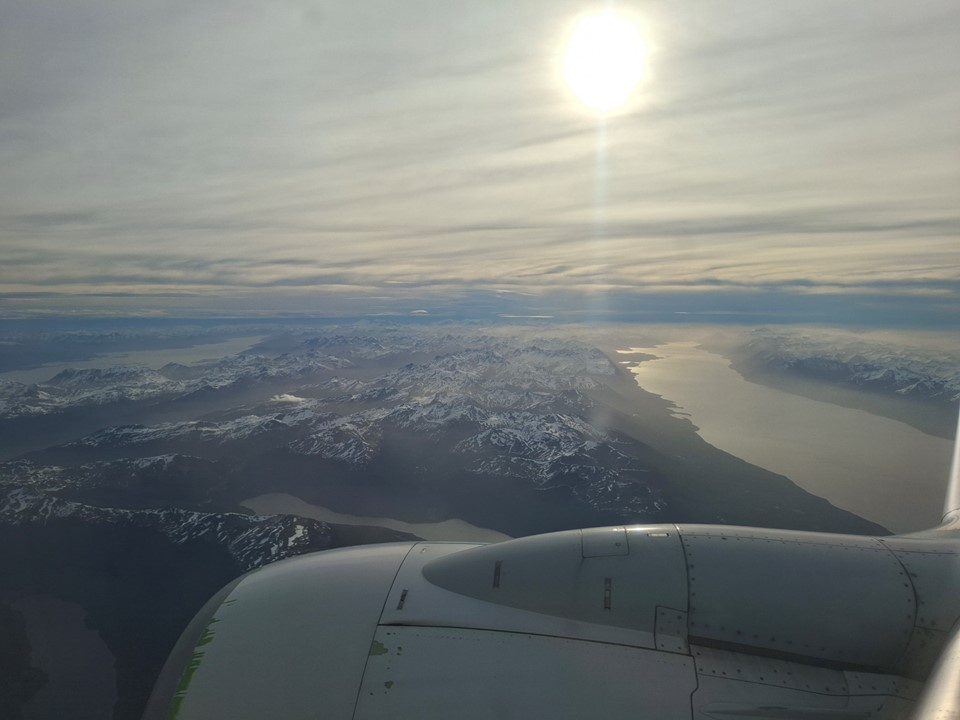
My flight to Ushuaia absolutely shattered my record for the most south I’ve ever been. Most of the flight is over the ocean, so my choice of a right side window seat, to be on the mountain side, didn’t really make a difference. The views once we reached Gran Isla Tierra Del Fuego (which means big island in the land of fire) were amazing.

After a few locals suggested the same place to eat, I decided to try them out. Food in Argentina is generally expensive, but this was a lot of food for the price. I had five pieces of beef, plus far too many chips. Some of this became breakfast for the next day. I’ve said it many times, and will say it again many more – Argentina has really good food!

The next morning I woke up to perfect weather. I had done some research on the region and decided to attempt Cerro Susana. It is technically a mountain by my definition, although at 502m, it almost doesn’t meet the minimum height criteria. Nonetheless, it is right next to the Beagle Channel and I knew it would have great views of the mountains and the surroundings – and it did not disappoint.

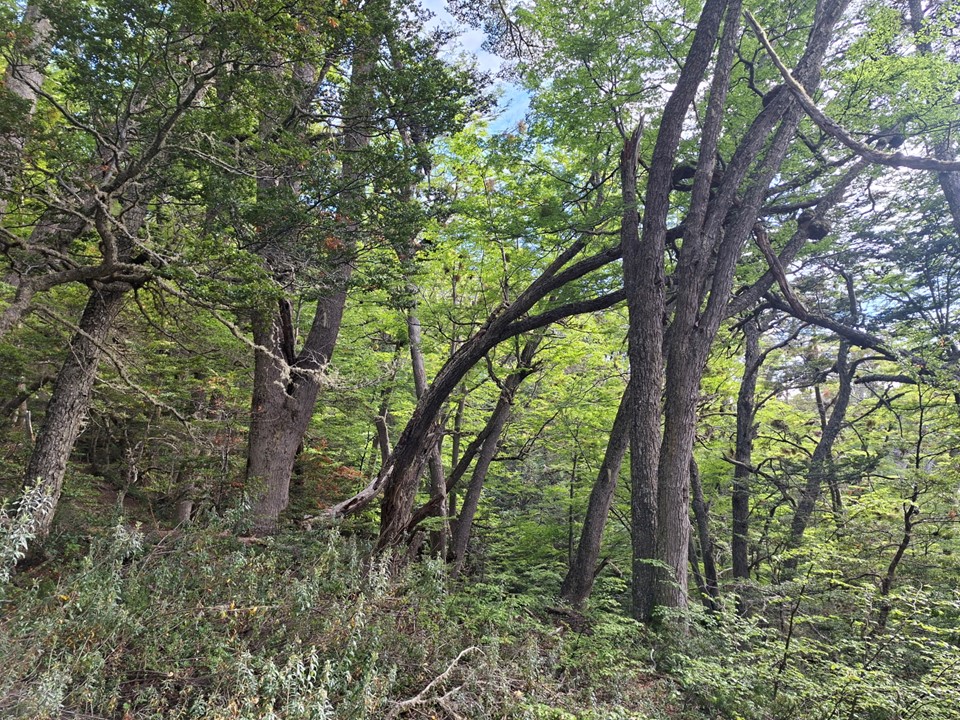
Most of the hike is through beautiful forests, with varying types of trees.


Eventually the trees relent, and you get a great view over, well, everything.
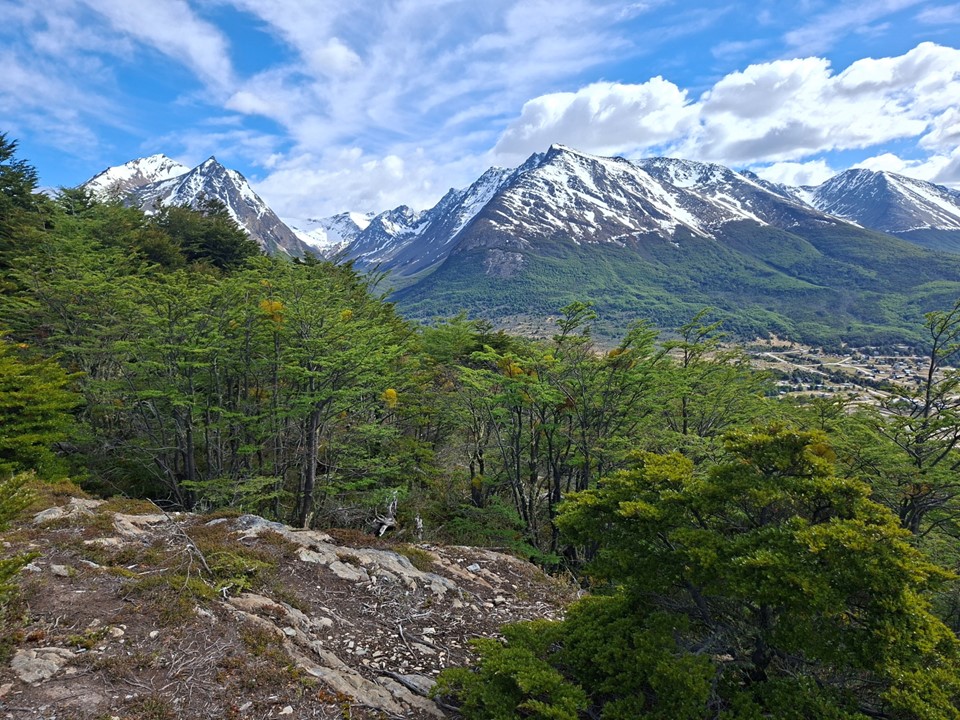
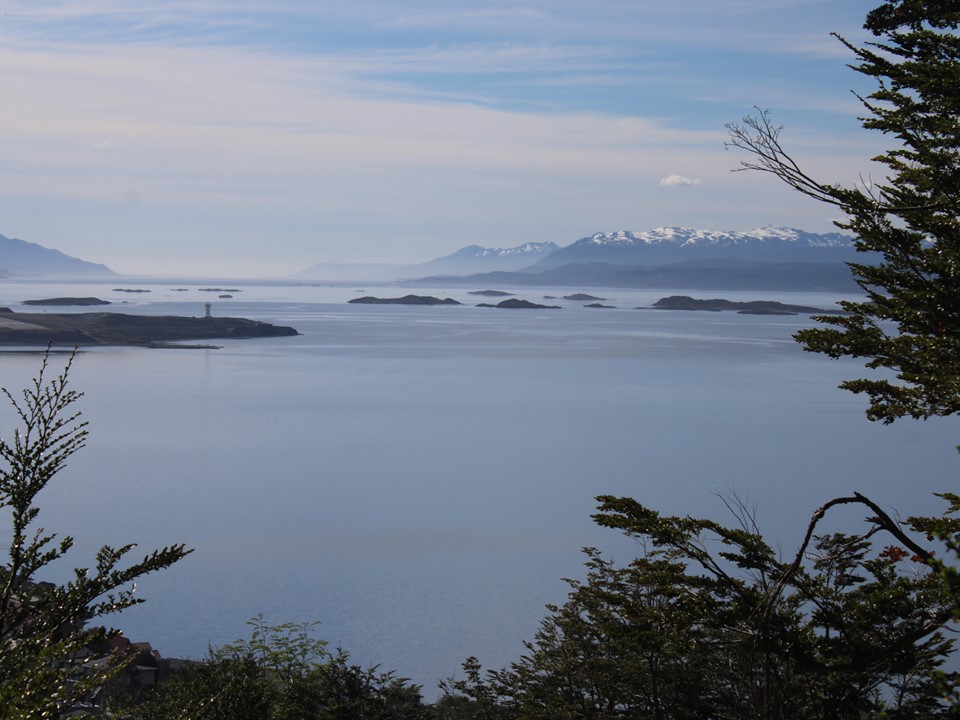
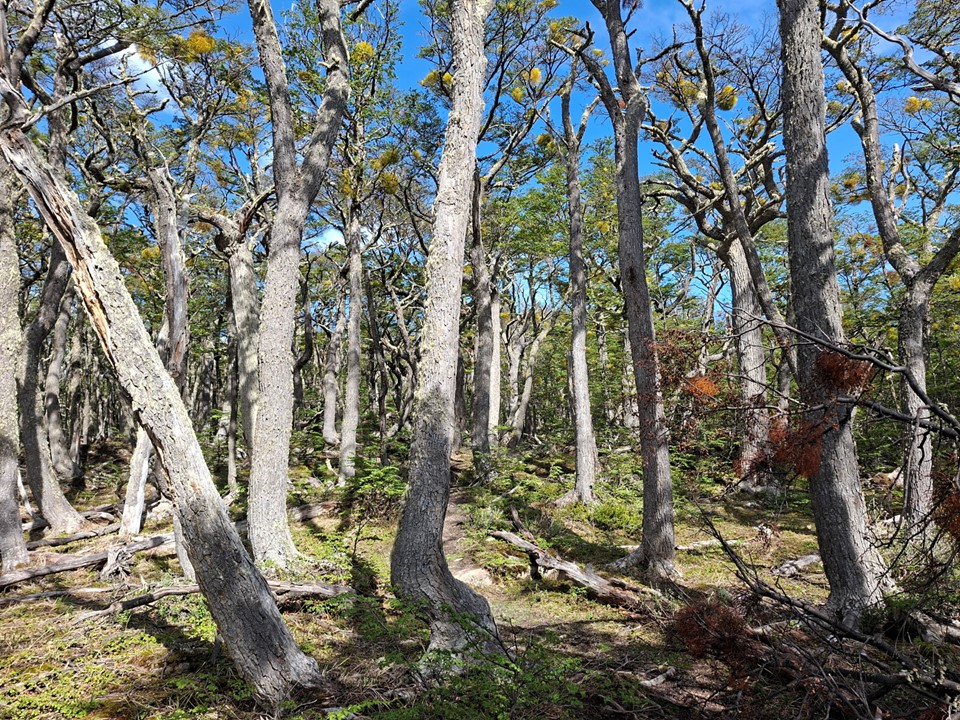
Getting to the actual summit requires a bit of a walk along the top, but its all on a good trail. There was no snow on it when I went up, but I’ve read of teams requiring micro-spikes due to how much snow you sometimes get on top. I found this really funny for such a low peak, but I guess this is very far south. I carried my spikes just in case.


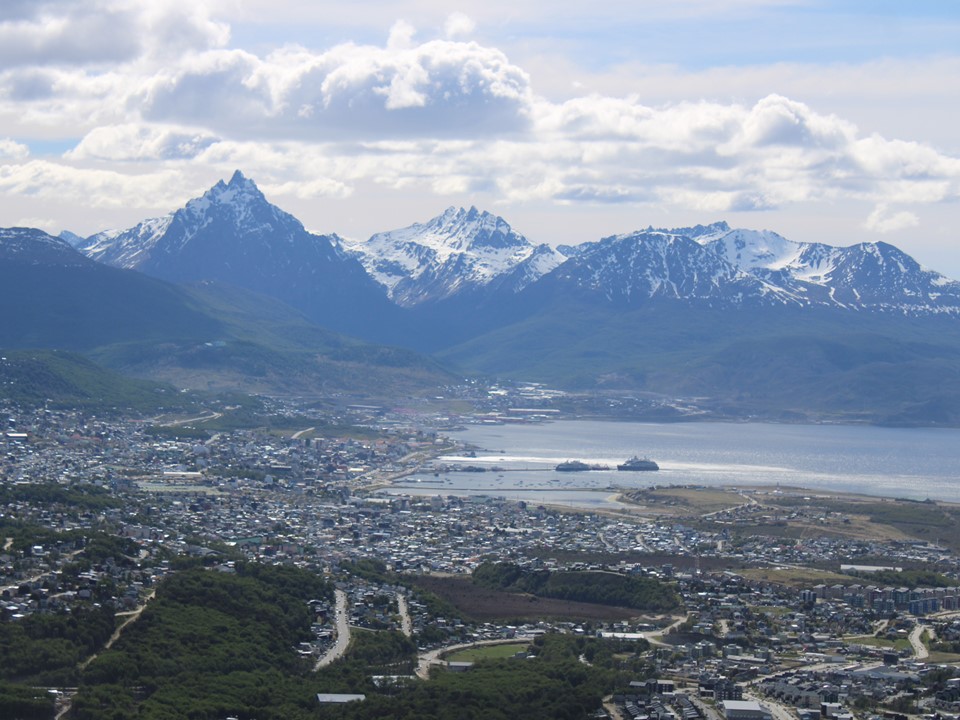
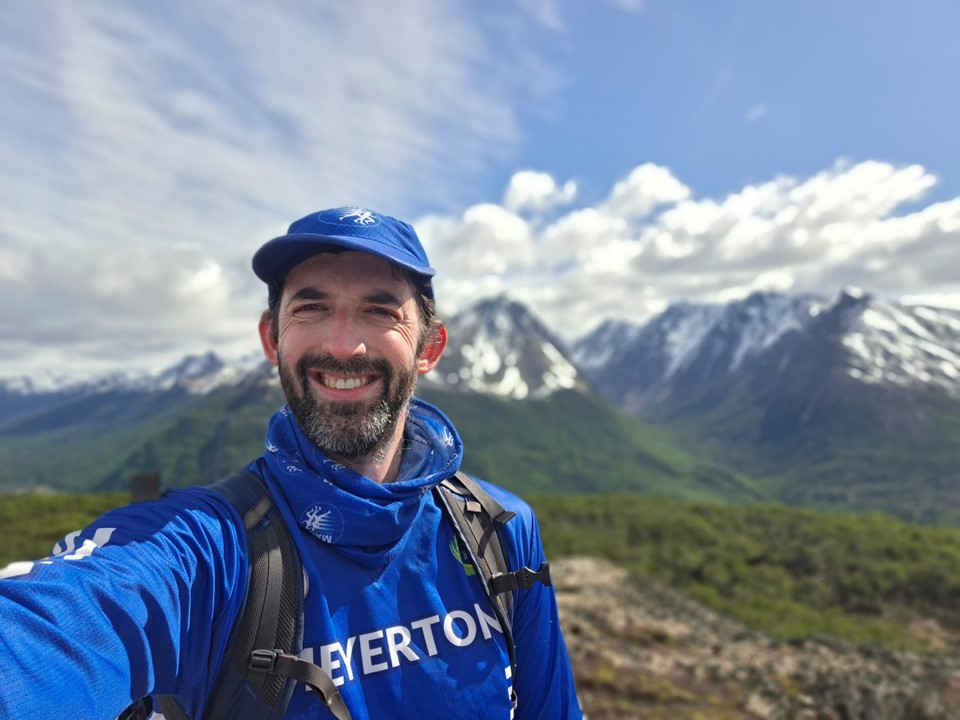
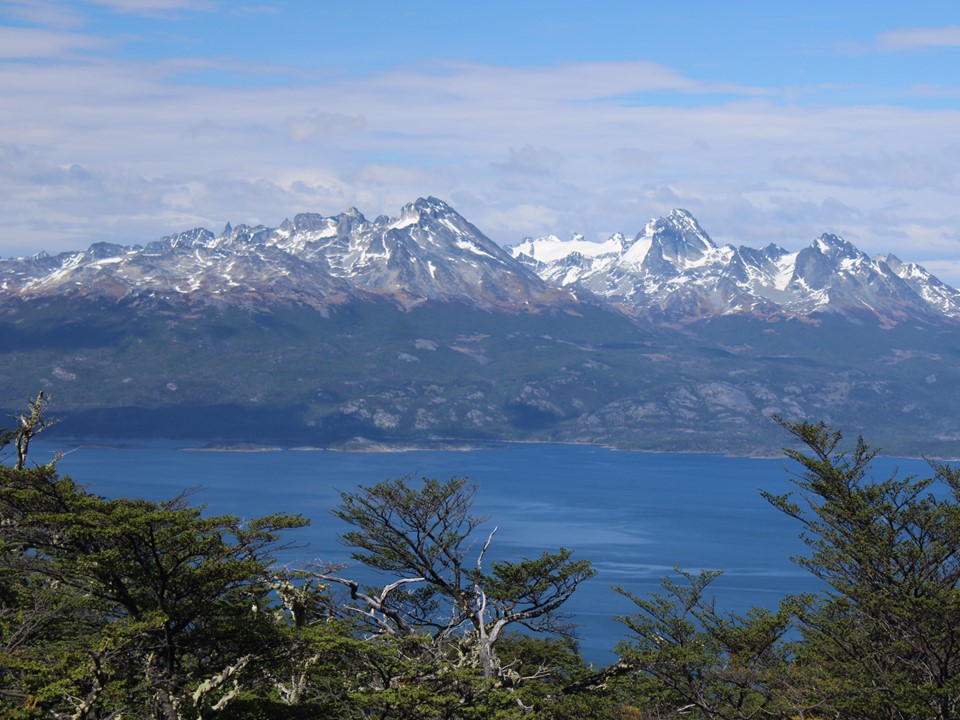

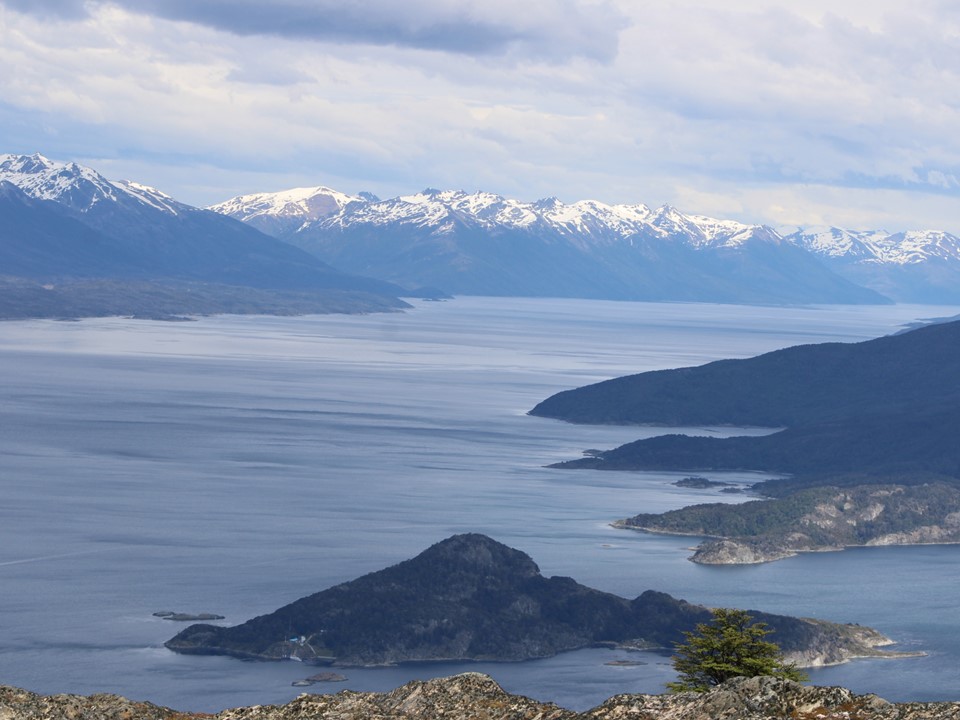
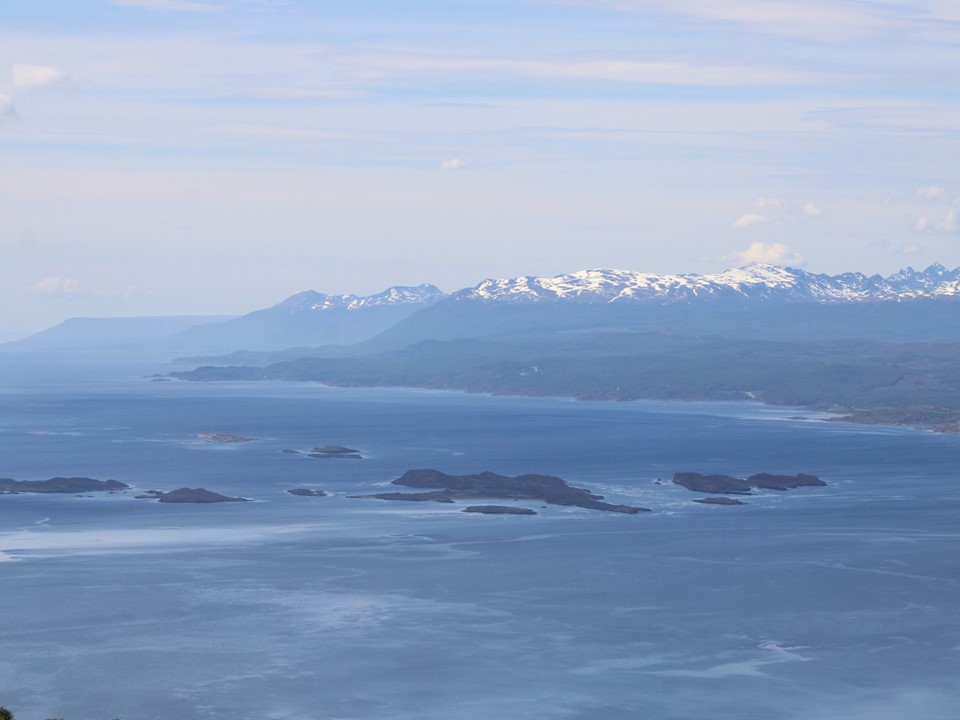

After spending a lot of time on top enjoying the view, I decided to make my way down. The view was exactly what I had been looking for. It isn’t a difficult hike by any means, and there’s a clear trail the entire way – highly recommended for anyone visiting the area.
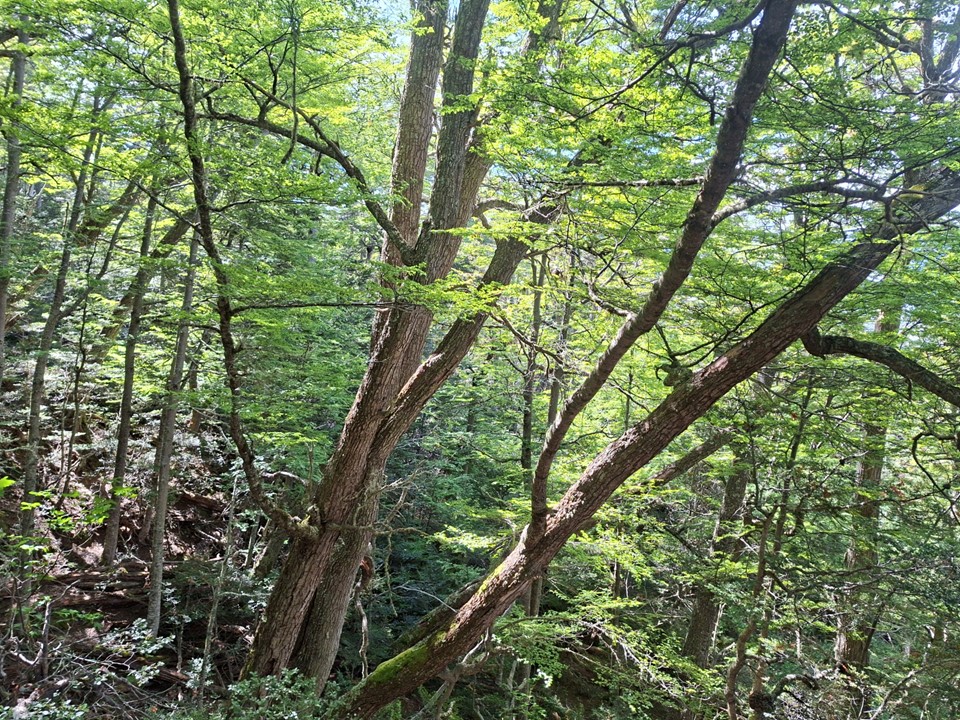
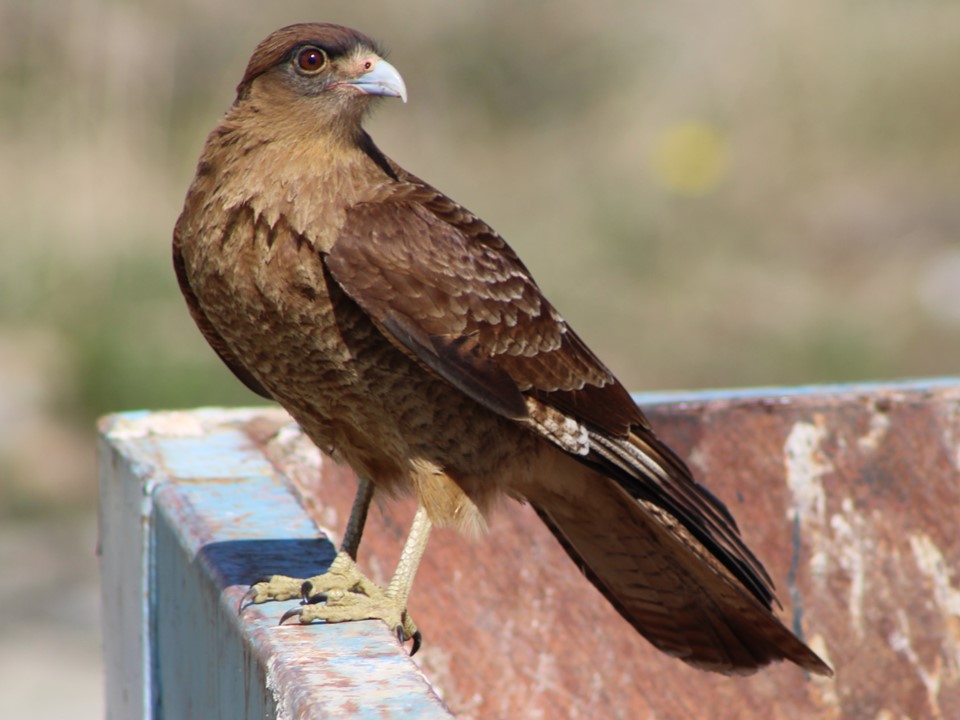
When I reached the town, I saw a chimango caracara looking for food in the trash. Fascinating looking bird, apparently very common in Ushuaia.
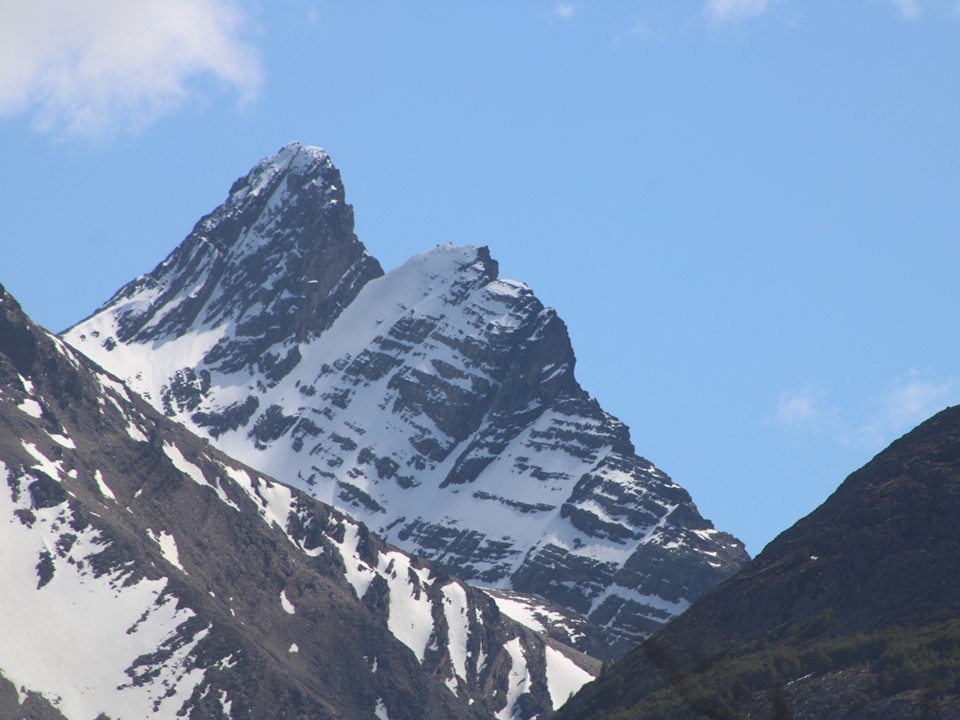
Rather than getting a taxi back to where I was staying, I decided to walk around a bit. The peaks in the region are really interesting. It’s fascinating that this is still technically the Andes, despite being on an island. The range keeps going well beyond where the continent proper actually ends as the same tectonic collisions forming these mountains up in Colombia are causing them down in Ushuaia. The scale in the Andes is on a different level.


I’m not sure if the Beagle Channel counts as the Atlantic or Pacific, I guess the Atlantic this far along – but I went to put my hand in anyway. I have tagged both oceans multiple times, but I like to tag the local waterway when I can.
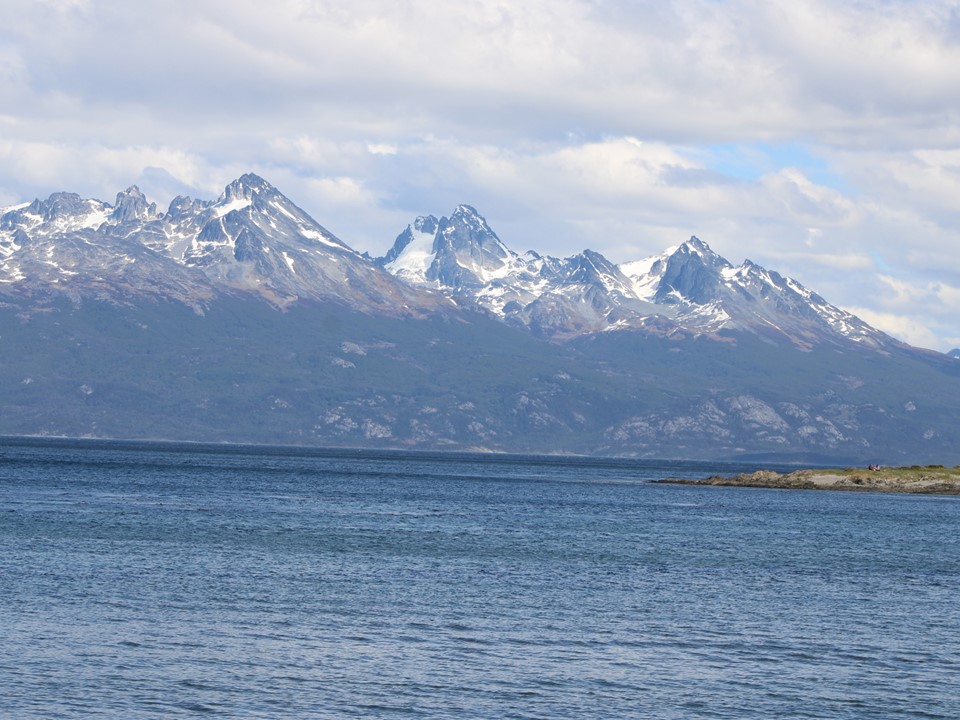
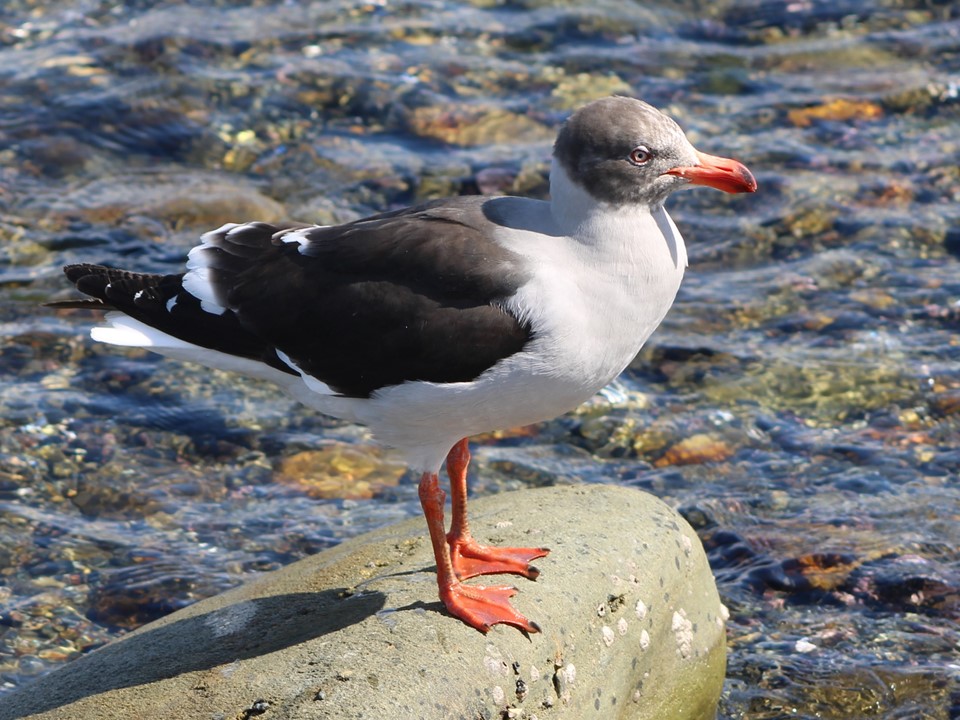
There were some dolphin gulls on the rocks, I sat and watched them for a bit, before heading to the nearby bakery and then getting a taxi back to where I was staying. Argentina generally has really good pastries.
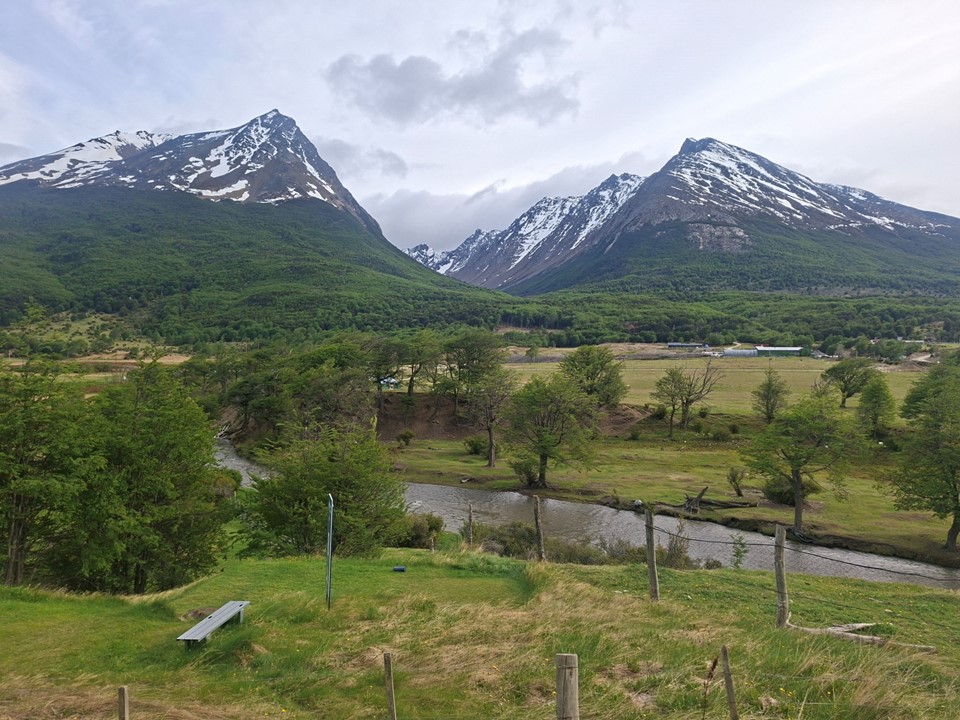
I had booked a tour of the national park for the next day.
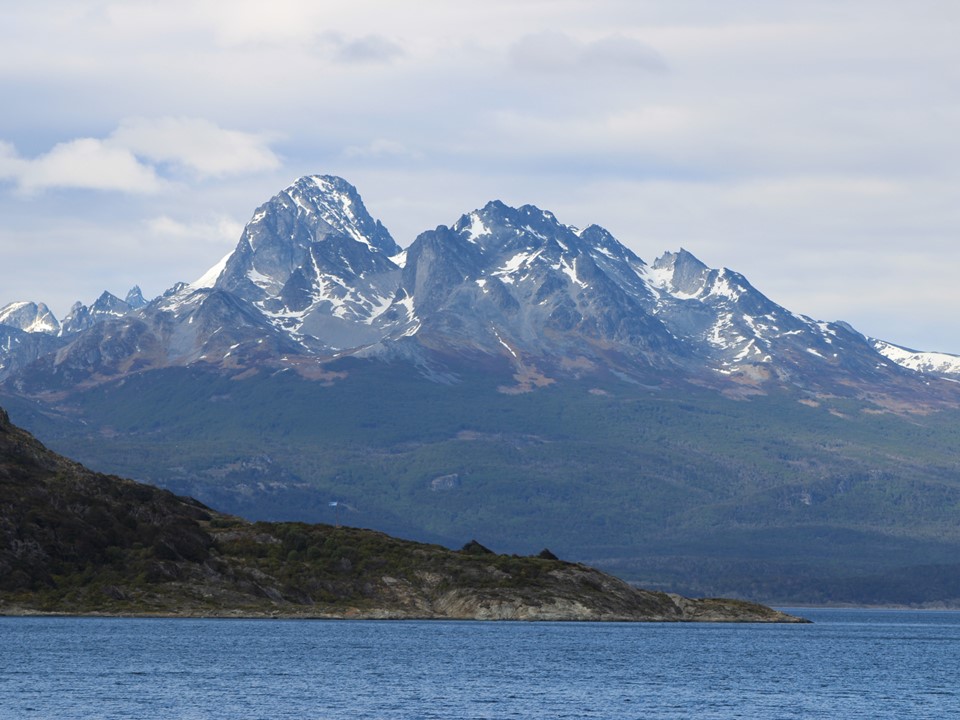
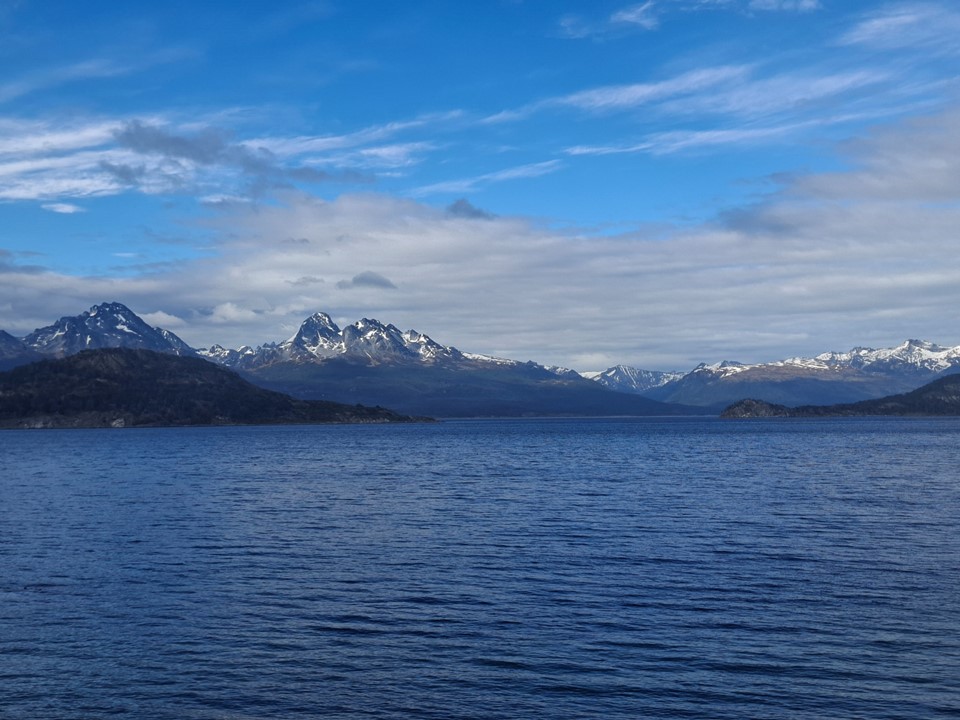
The other side of the Beagle Channel belongs to Chile. It is claimed that Ushuaia is the most southern city on earth, although it is far too small to really count as a city, and Puerto Williams on the other side of the channel is further south – but it is a beautiful location either way.
An interesting fact the guide told us was the origin of the name of the region: when the Spanish first saw the region, they thought there were volcanoes here due to all the smoke, hence the land of fire. However, there are no volcanoes in the region – the humidity is so high, combined with the bitter cold, that using animal skins to stay warm didn’t work. So instead, the locals covered themselves with animal fat, and stayed near a fire most of the time. They even used to build fires on their canoes, with mud and rock protecting the canoes. So the name was actually appropriate, just not in the way it was intended.
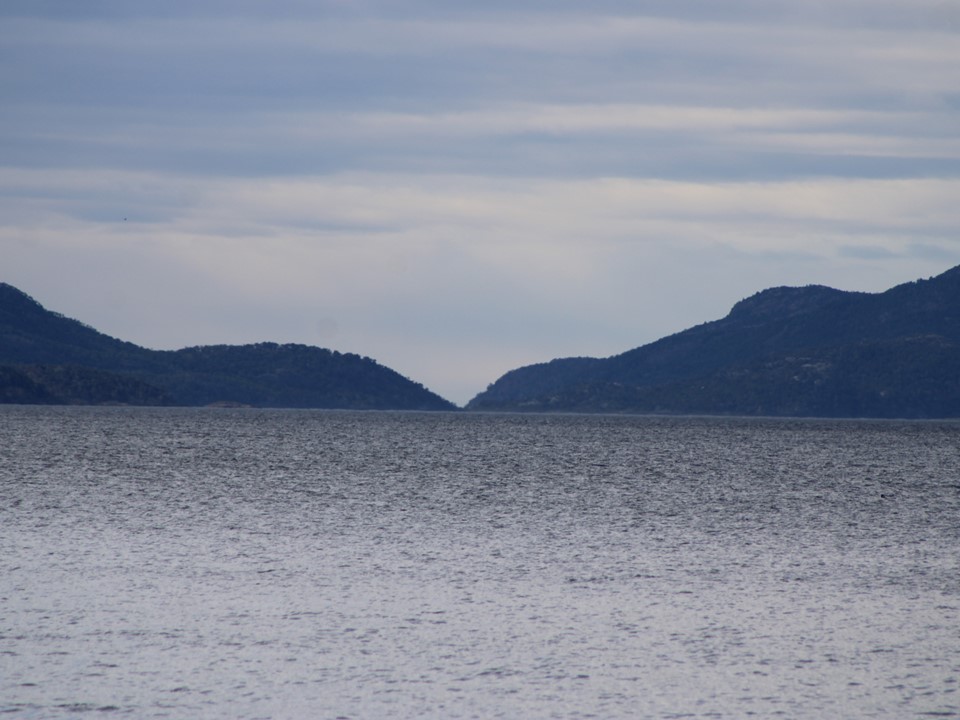

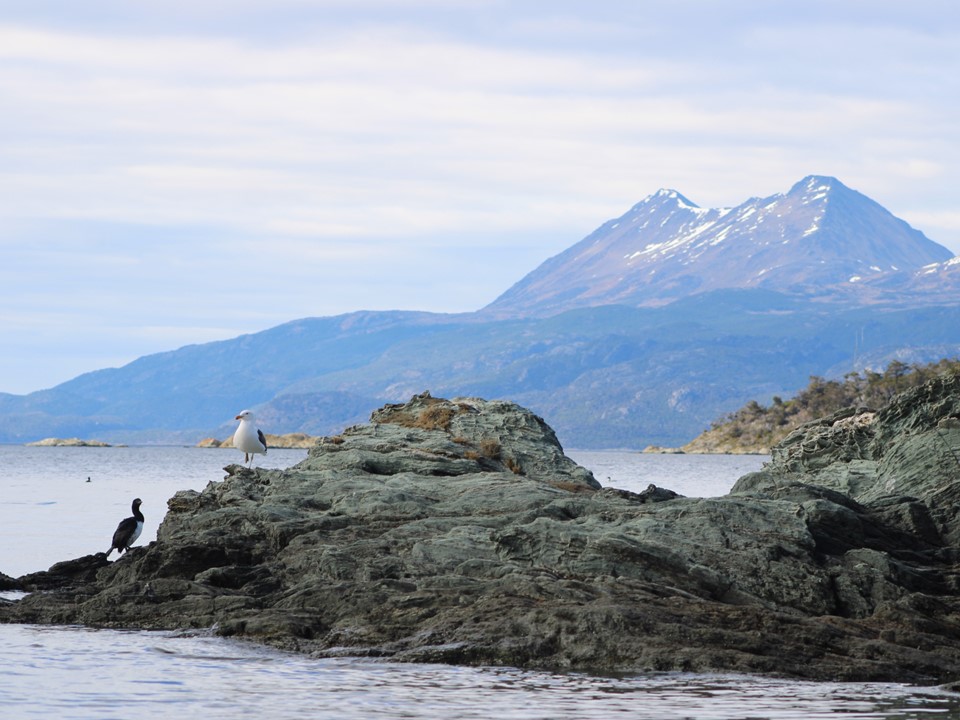
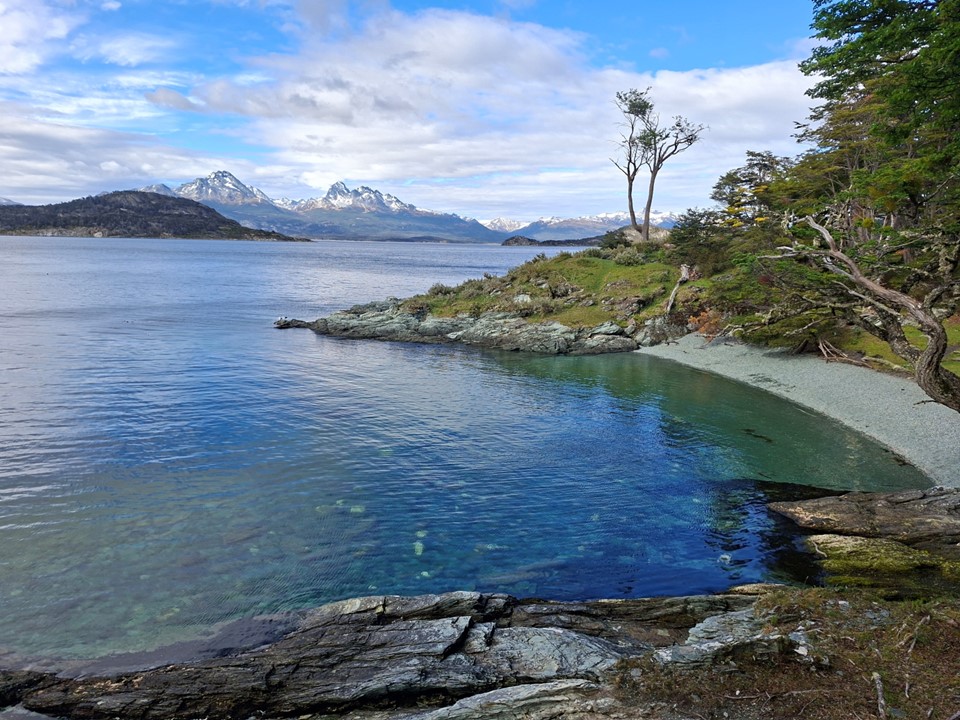
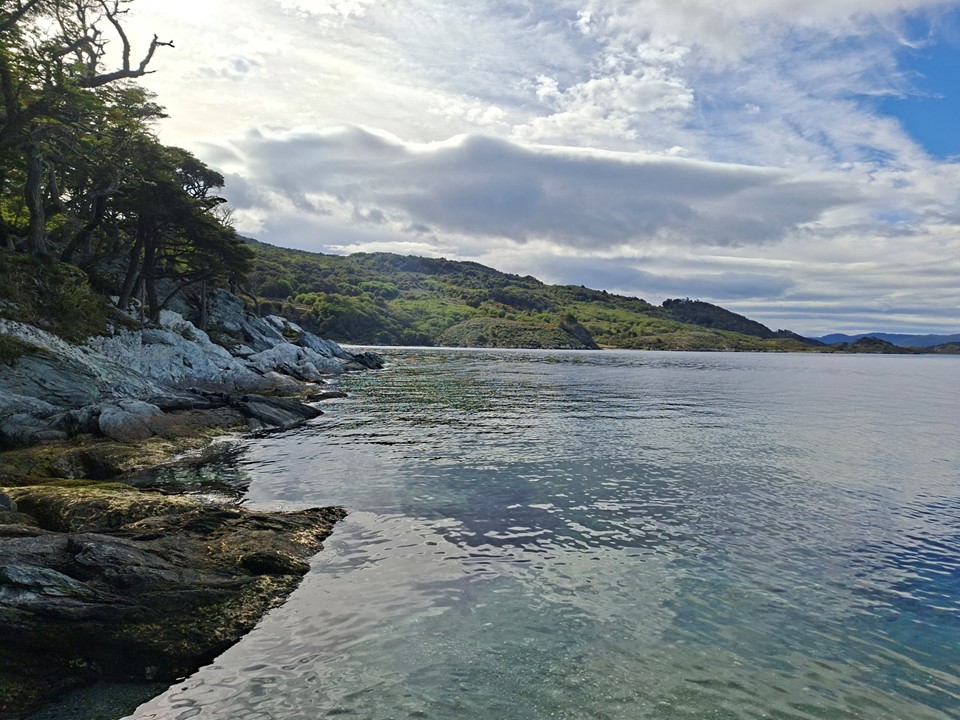
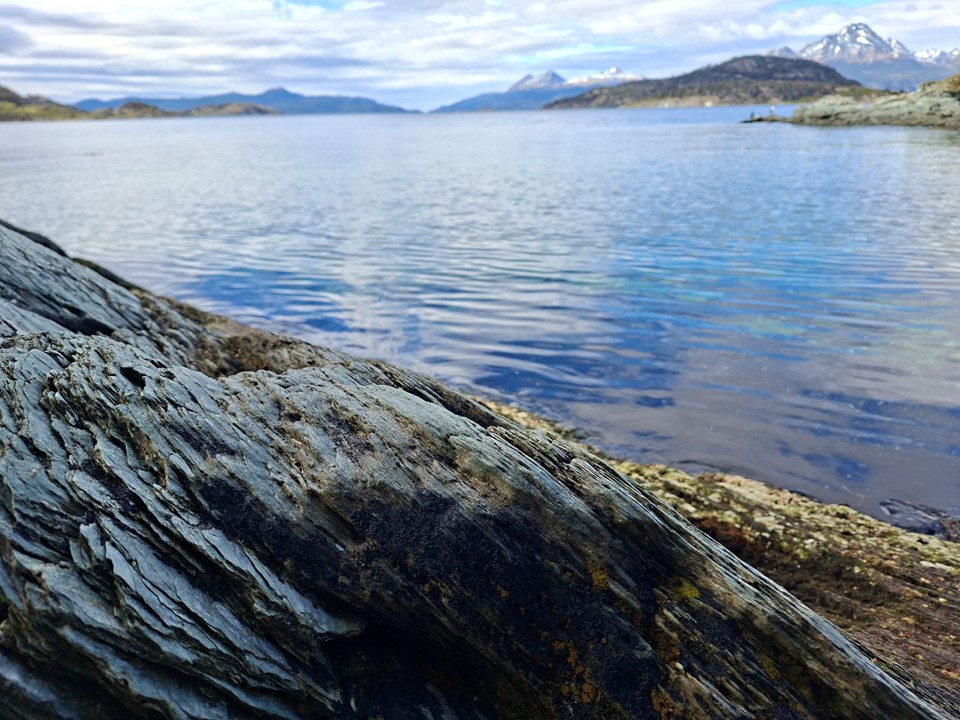
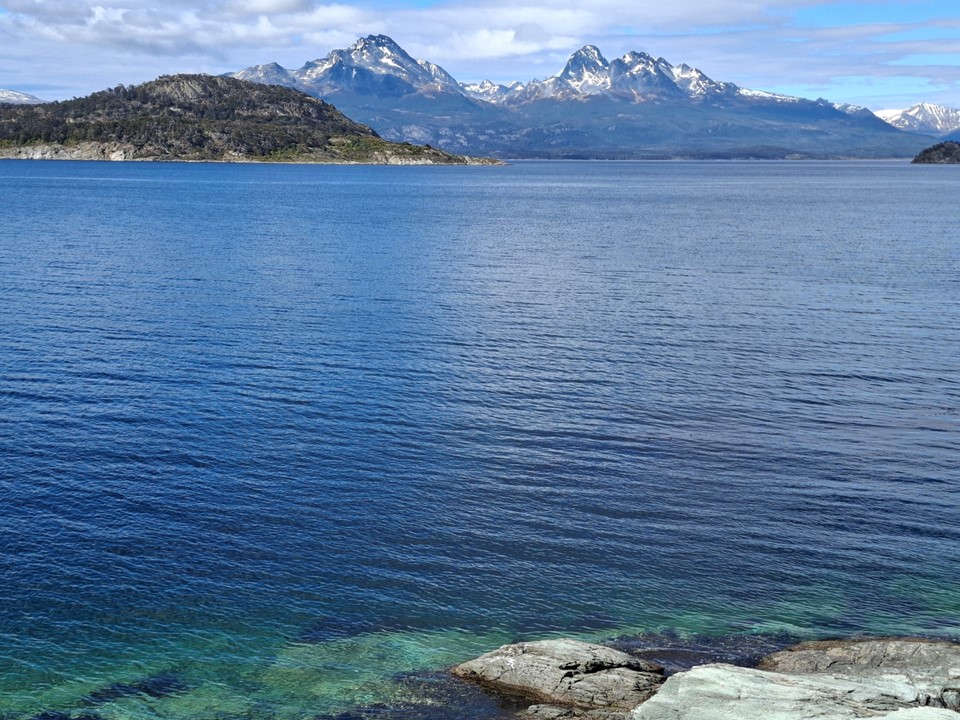
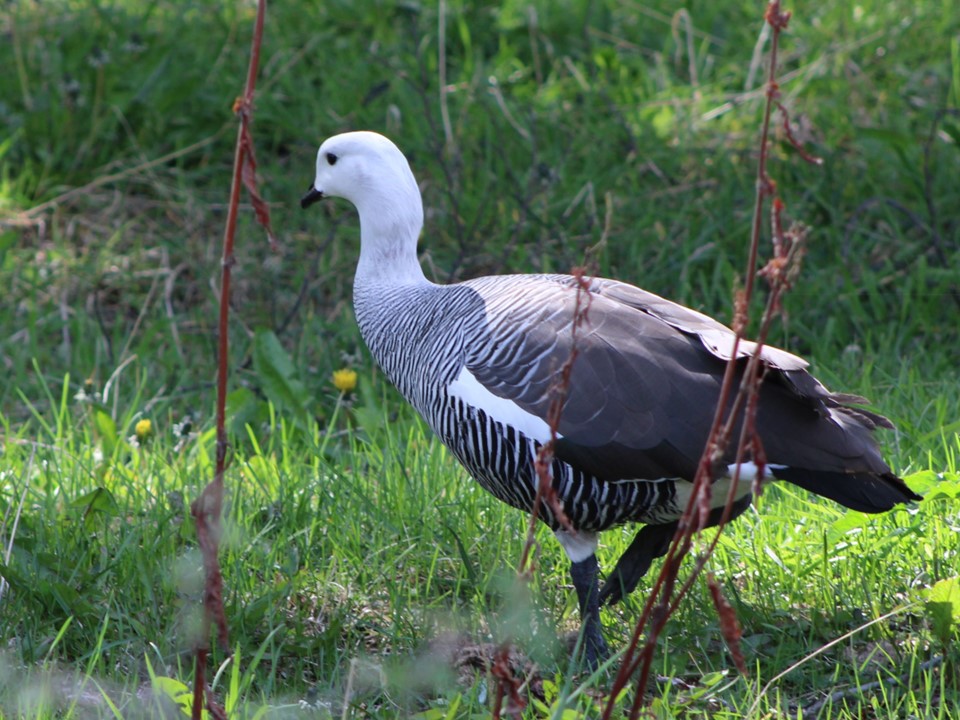

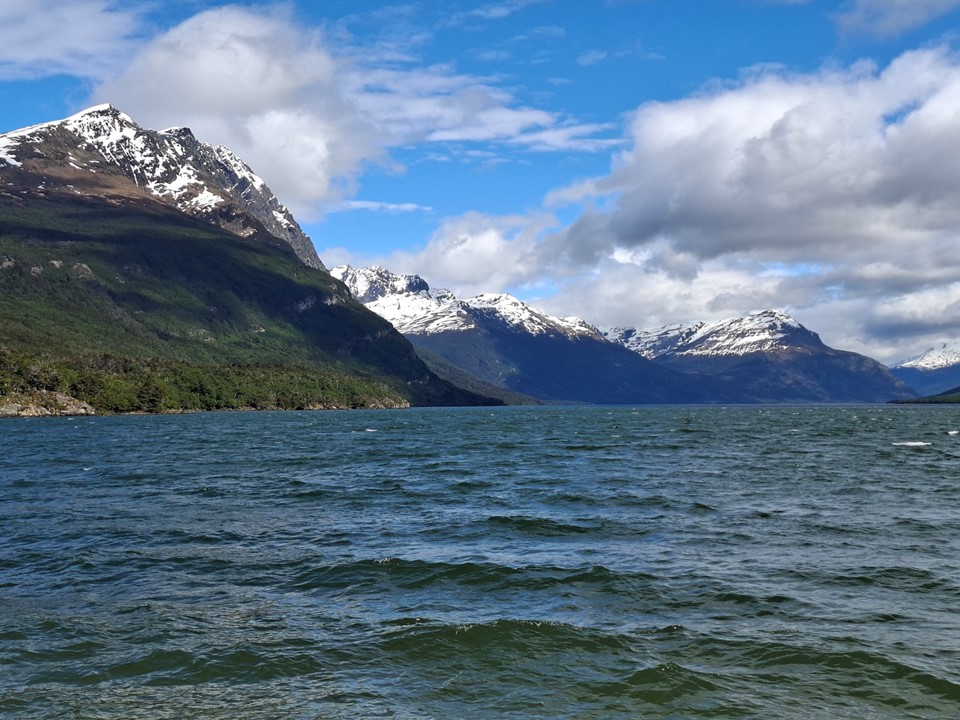
We visited Laguna Rica while on the tour. This lake is on the border of Chile and Argentina, if one looks at a map of the country, this is at the bottom-left of Argentina. Always interesting to look at one’s location and be right in an extreme of a country.
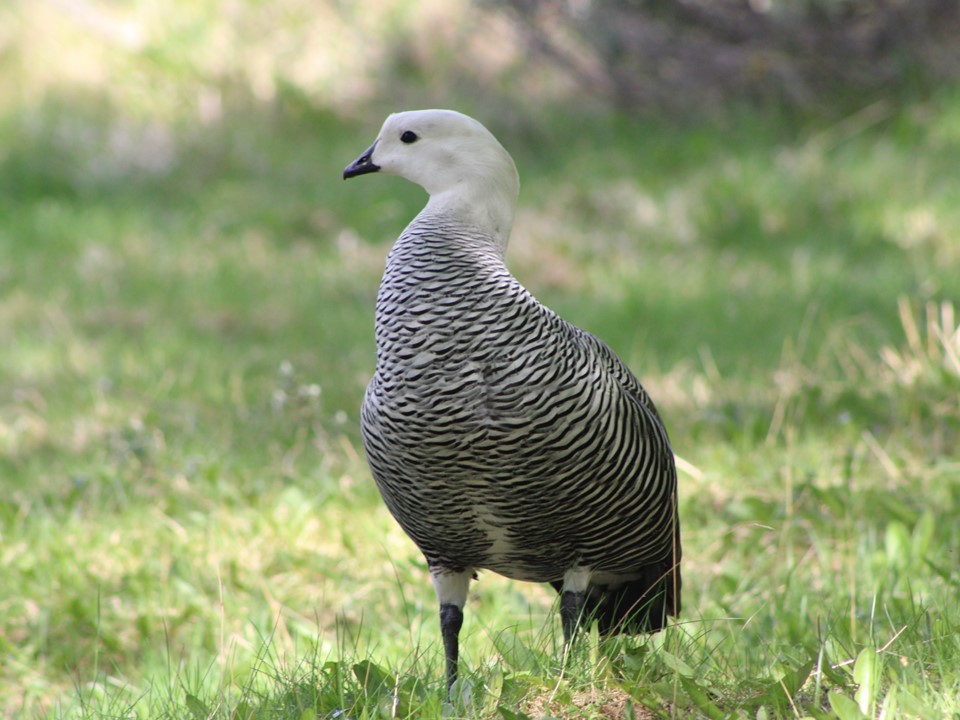
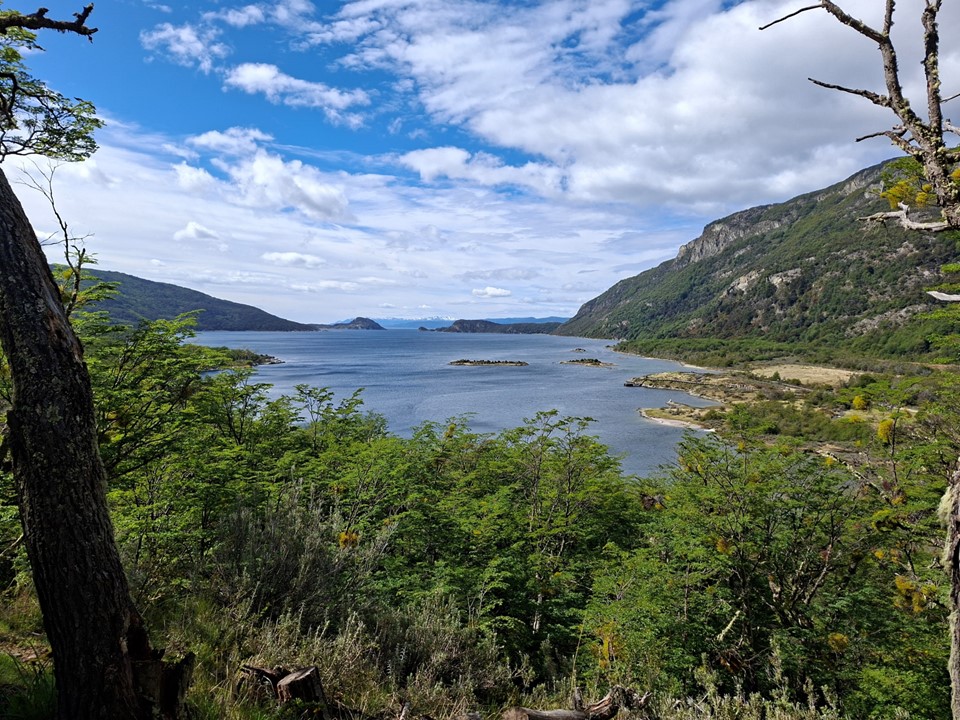

The park also marks the end of the Pan-American Highway. This is once again a questionable status, as one has to use a ferry to get from continental South America to this island, but an interesting one nonetheless.

The tour was just for the morning, so in the afternoon I hiked up Cerro Del Medio, the peak in the middle.
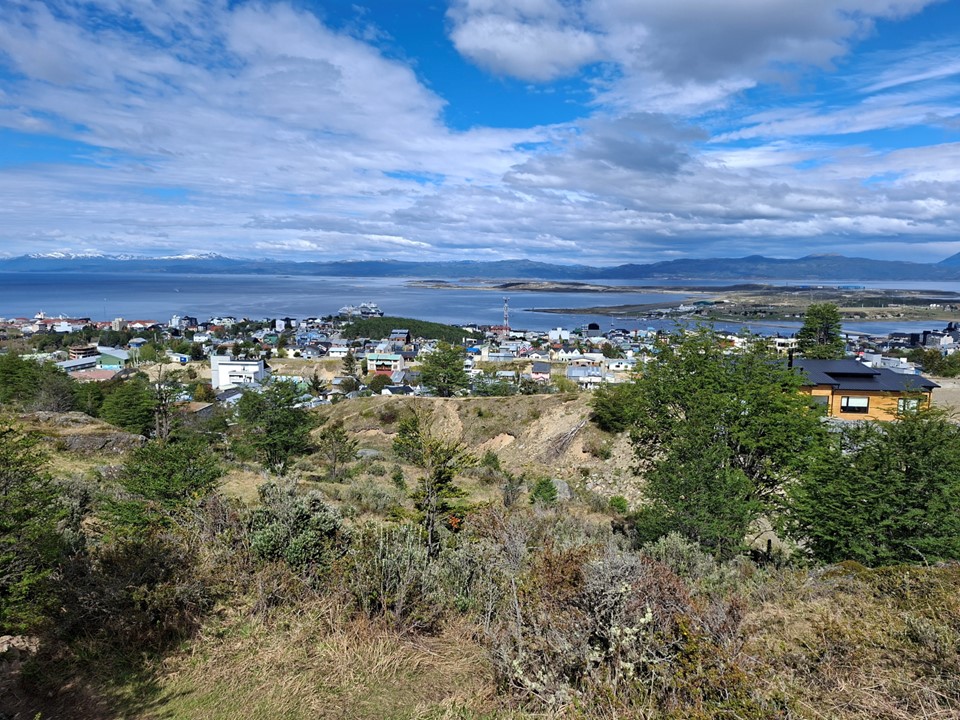
The start of the hike was only 2km from where I was staying, so I did it round trip from my accommodation. I was starting a bit late in the day, but sunset is also very late when so far south.
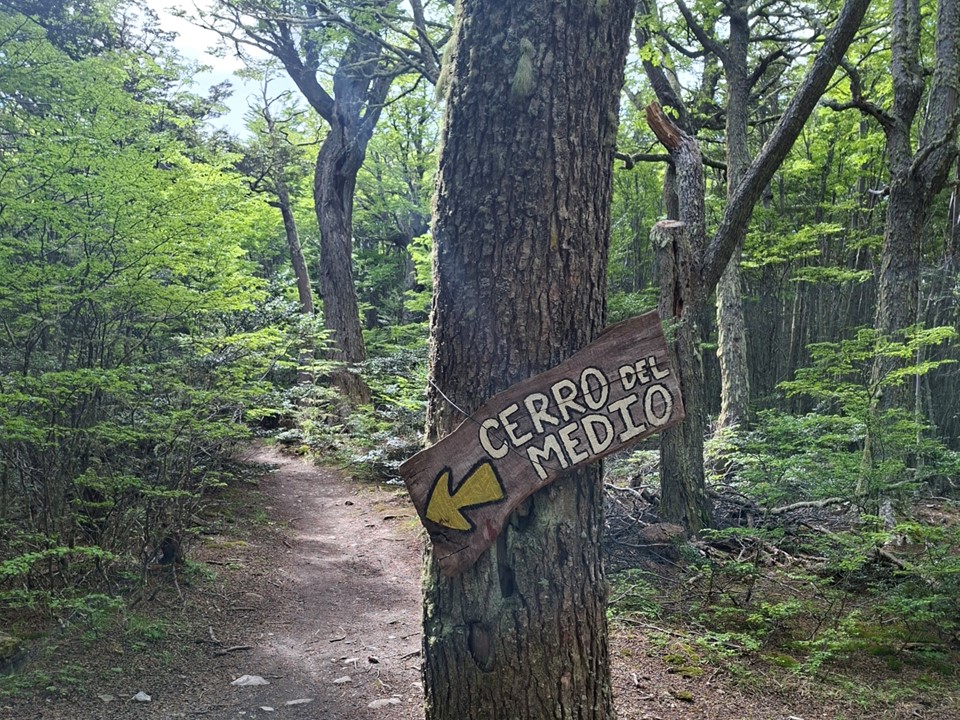
The trail is well marked and easy to follow.
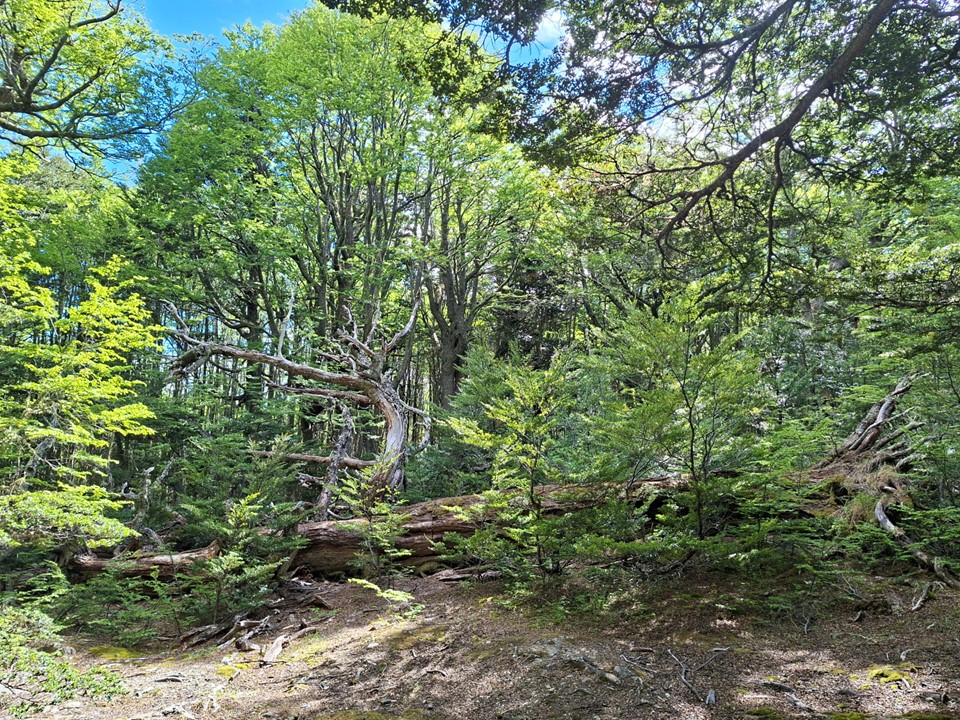
Like Cerro Susana, it also started in a beautiful forest.
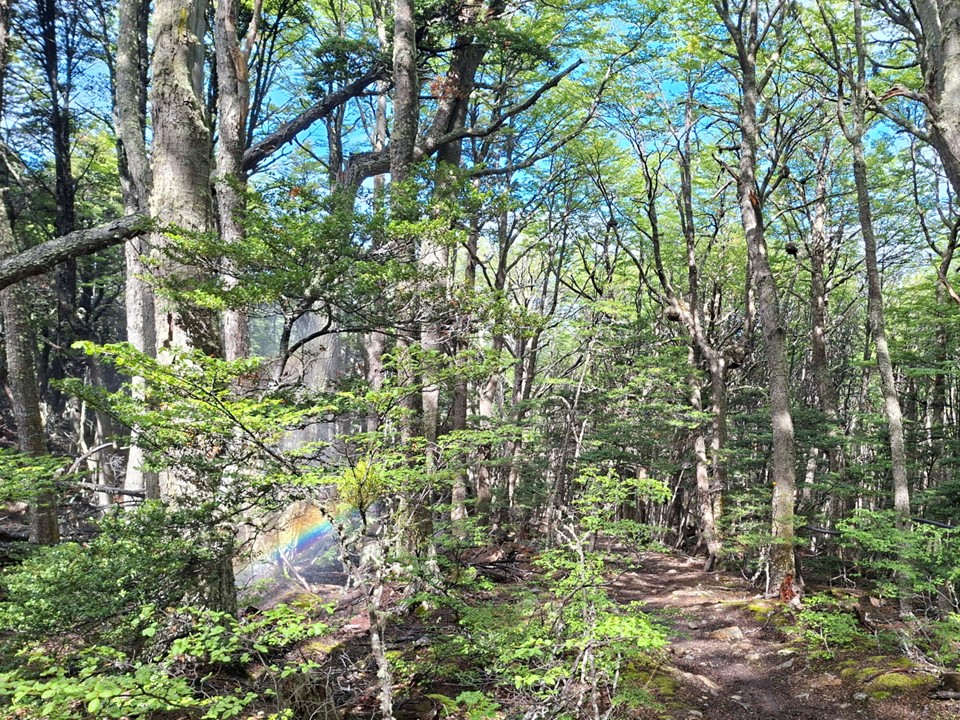
A leaking pipe even provided a rainbow.
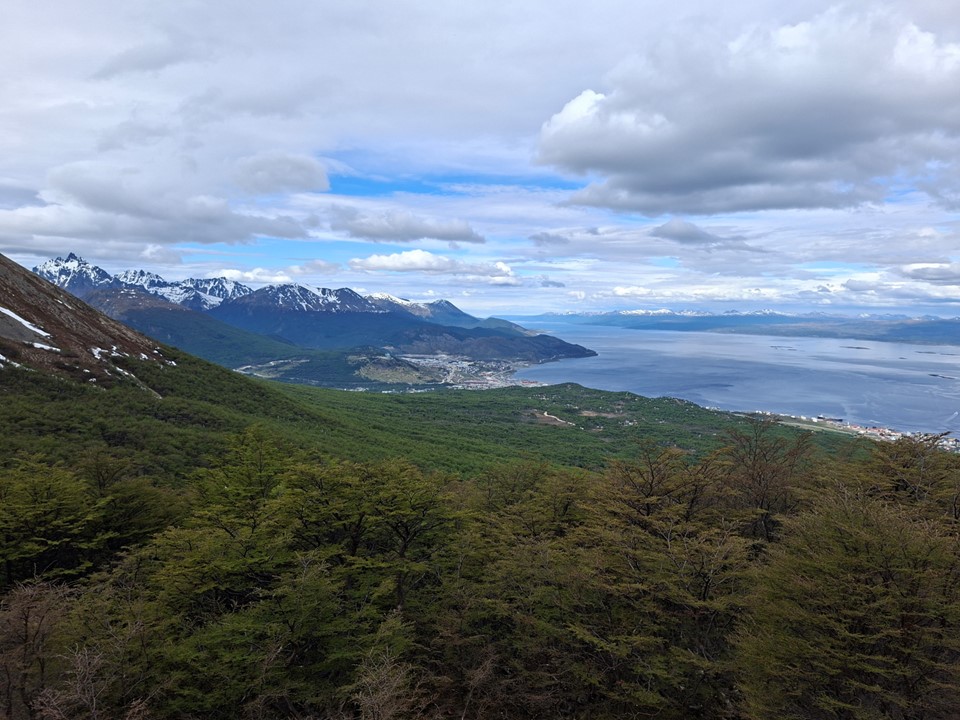
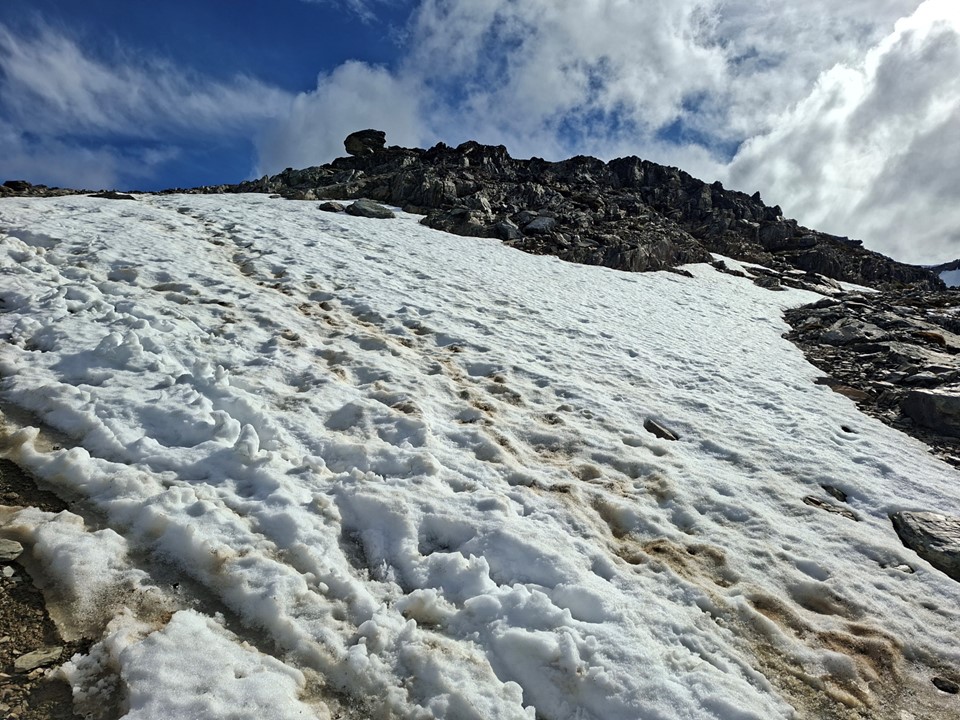
Near the top, there was some snow on the ground, albeit not enough to cause any difficulties.

Laguna Margot was mostly frozen, but was a beautiful spot – with just enough water for a reflection shot.
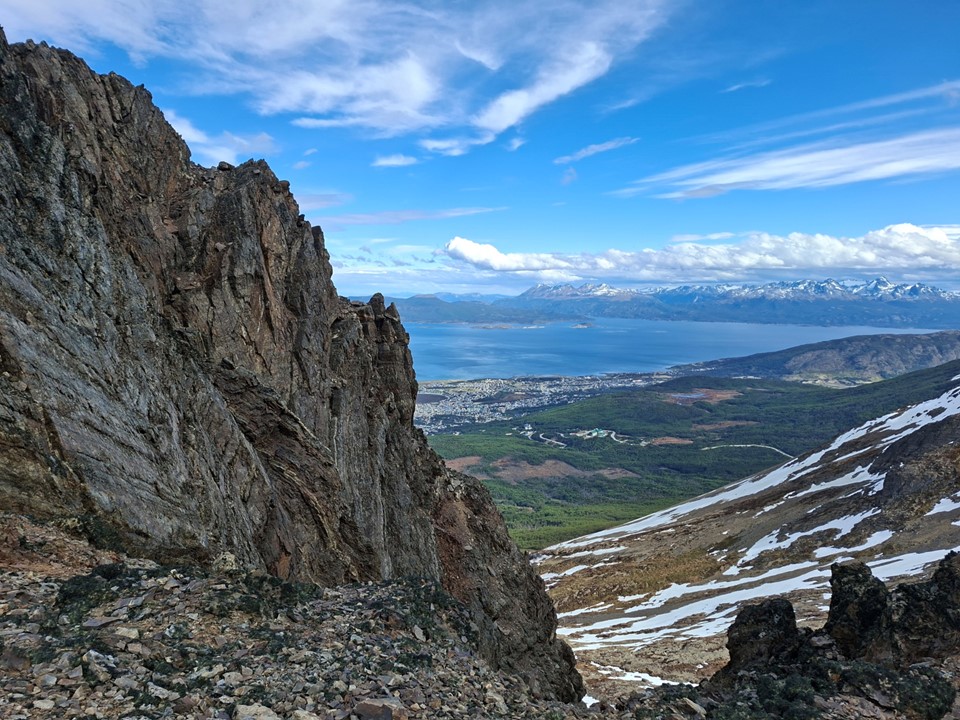
The summit is at the top of a cliff, but the hike doesn’t require any scrambling – there is a fair amount of uphill – starting around 100m and topping out around 950m, but it isn’t particularly difficult.
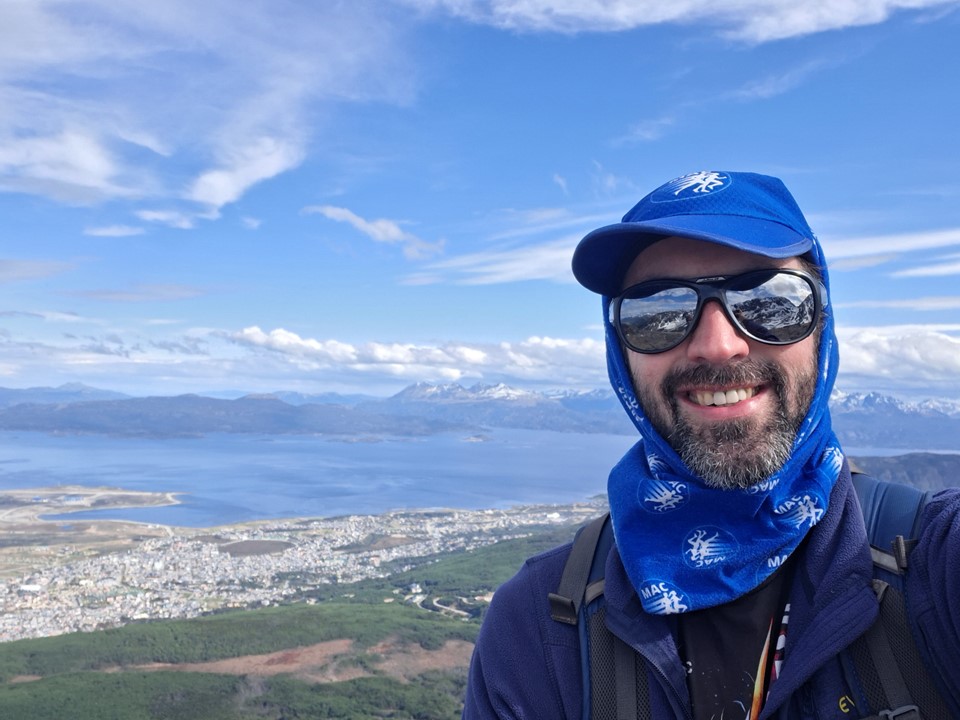
The views from the top were well worth the effort.

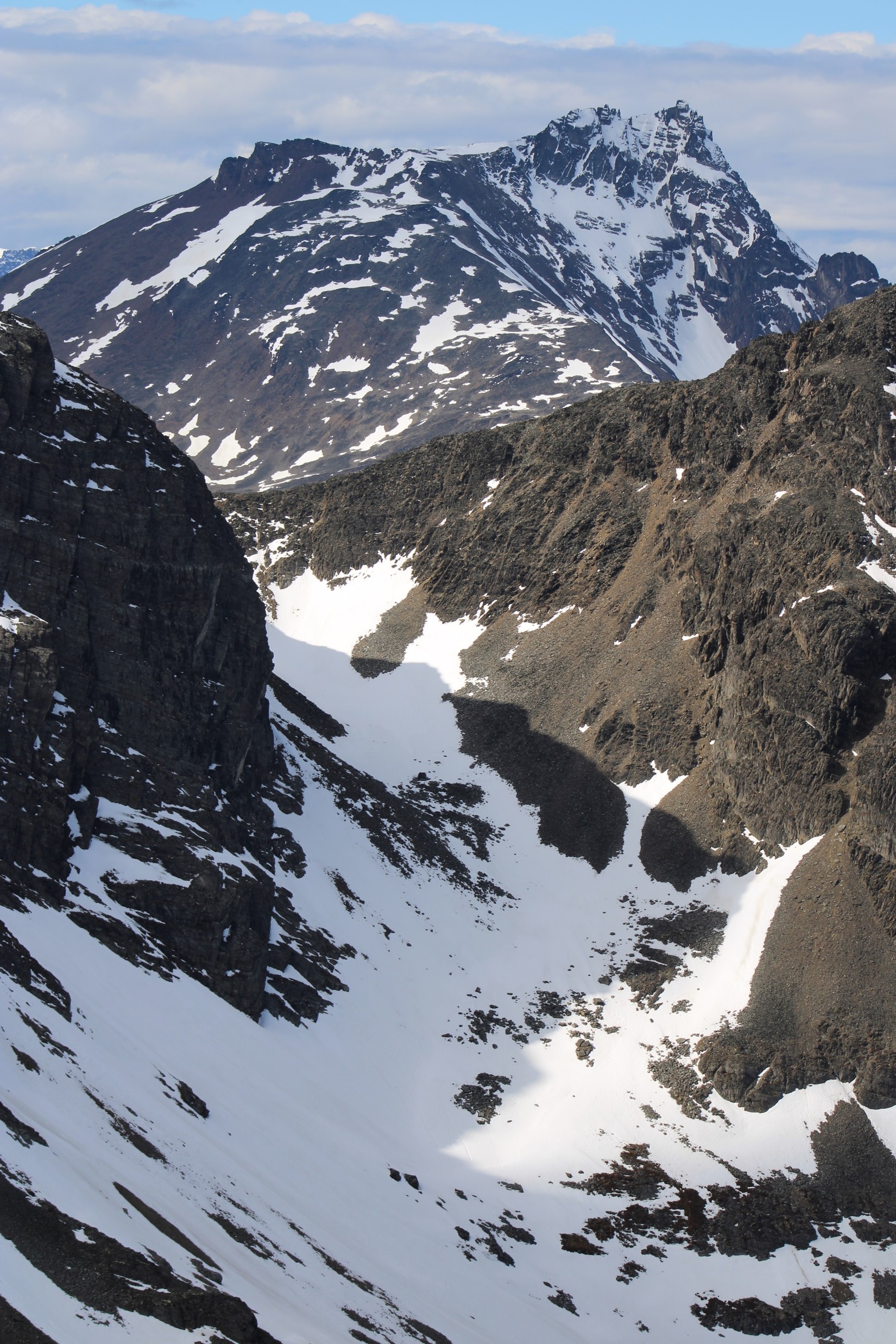
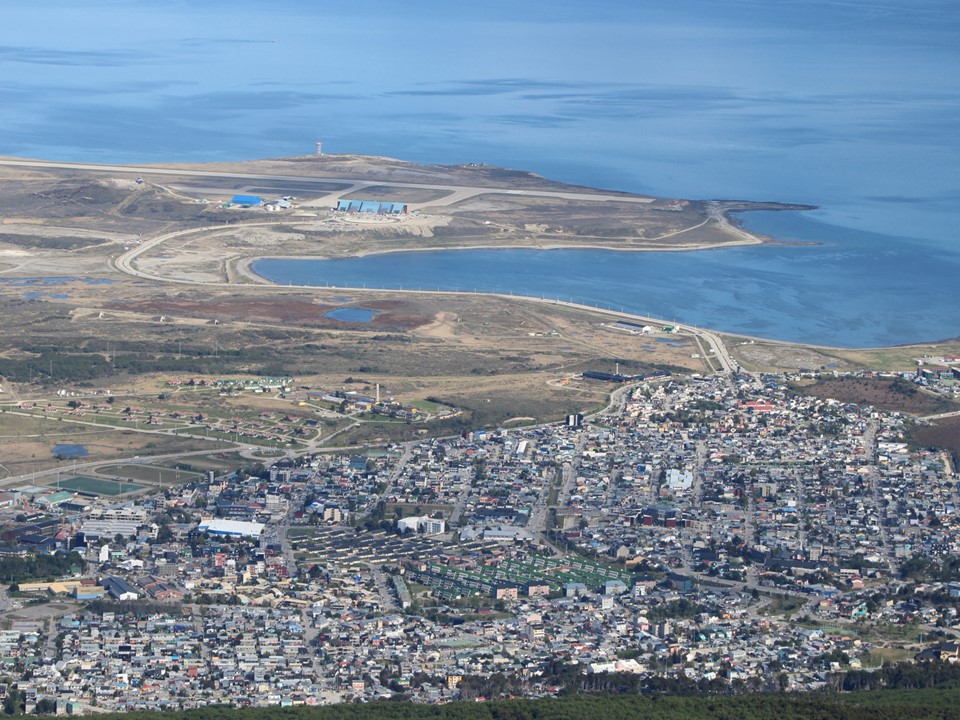
The hike back down was faster than expected.
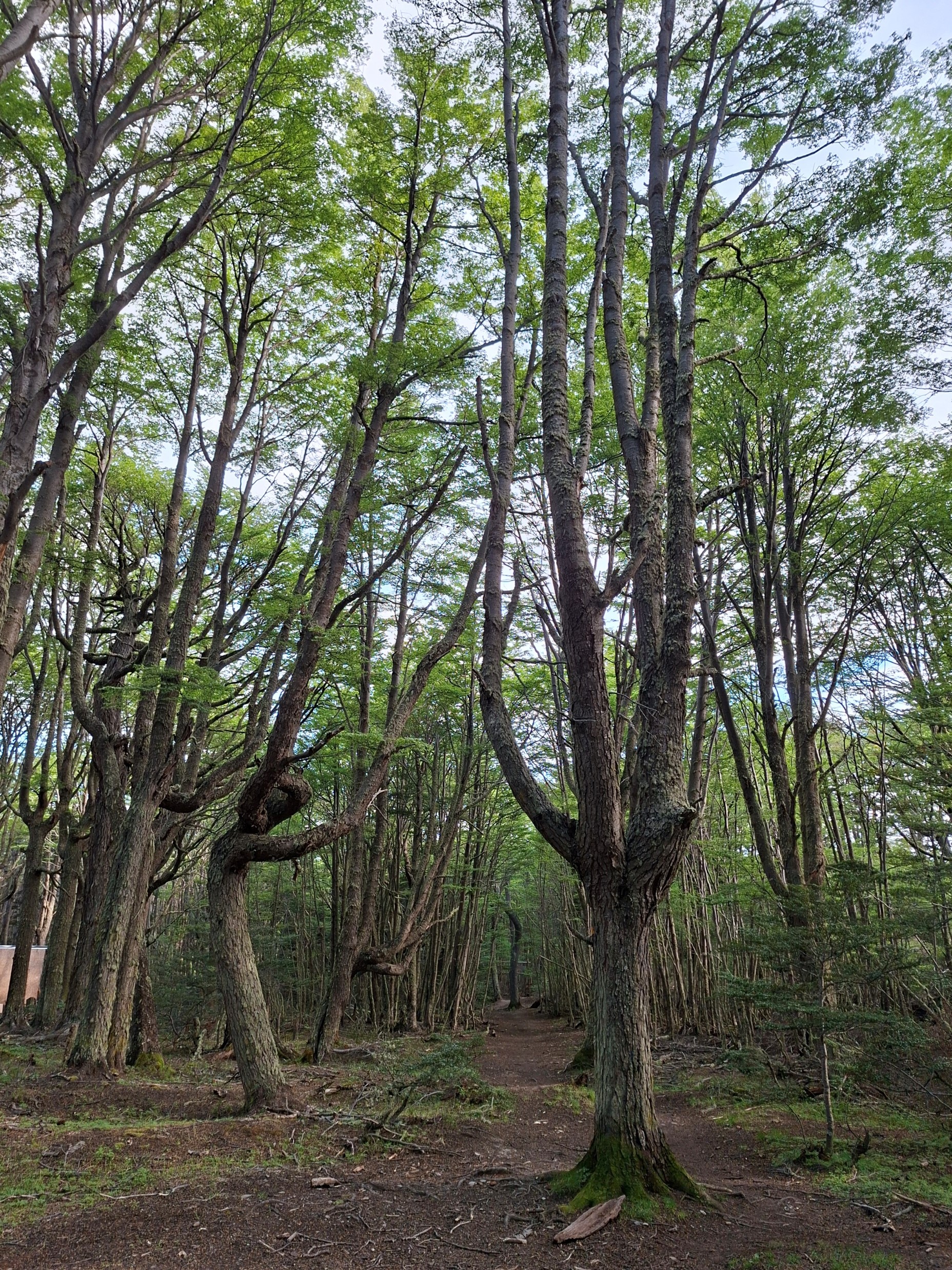
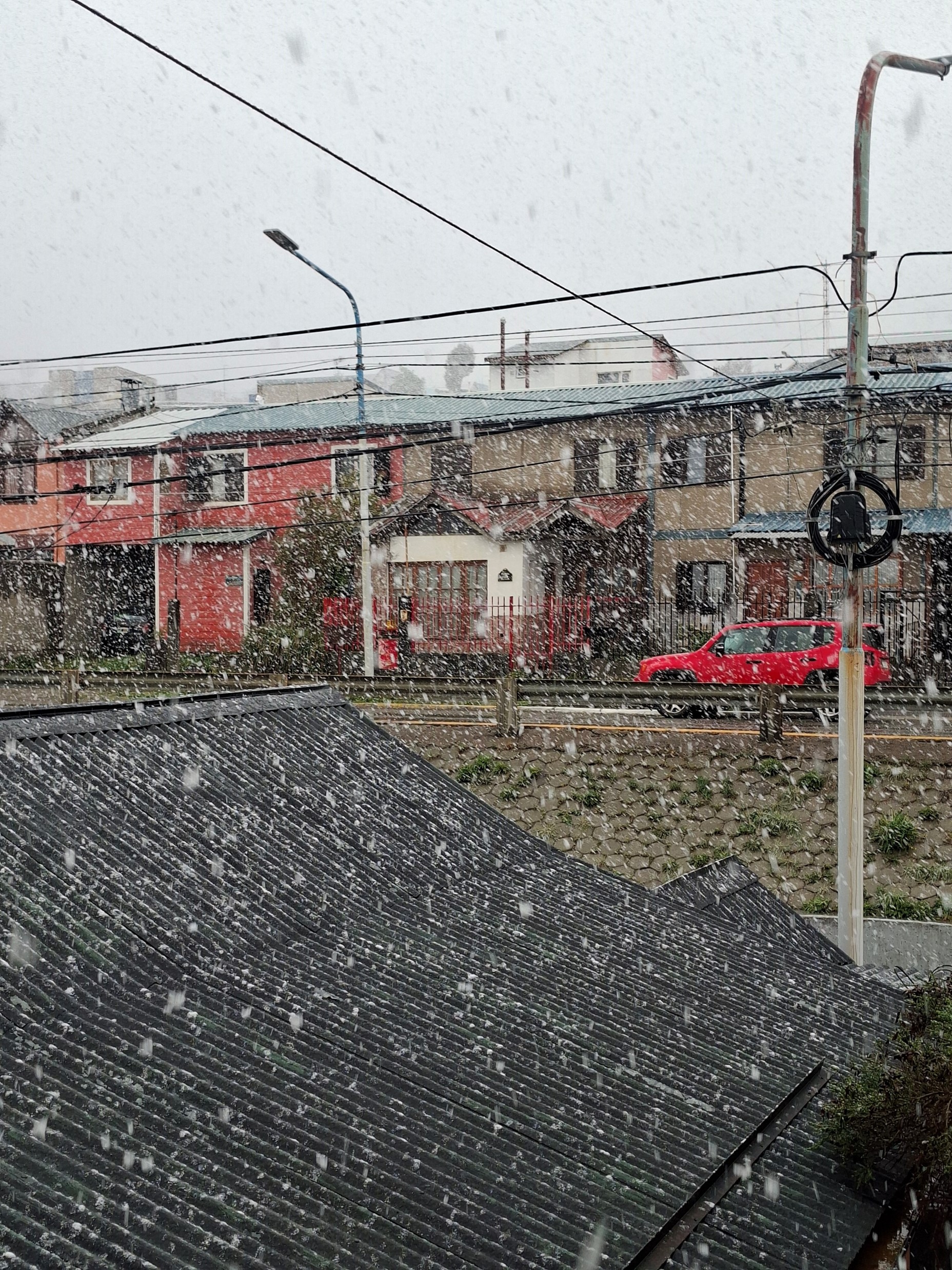
The next few days had terrible weather – it snowed a lot, and was generally very cold – so I didn’t do much else in the town.
Overall I enjoyed Ushuaia. It is a lovely town with some amazing sites, and great food. It is really strange to have so many big impressive mountains that are technically difficult to climb, yet are barely over 1000m. The island high-point is Mount Shipton at around 2568m, which has had very few ascents due to how technically difficult it is, and how quickly the weather can change in the region. It is a different world!


 Ghaznavid Hiking